
Parents often ask whether one martial arts class a week is enough, whether two is too much, or whether a child needs to train nearly every day to make progress. There is no single number that suits every child.
For most school-age beginners, two classes a week is a sensible target. It gives them regular contact with the material without martial arts taking over the family calendar. For younger children, or families with a very full week, one consistent class can still be a worthwhile place to start.
The best routine is not the busiest one. It is the one your child can attend consistently, enjoy and recover from while still having time for school, family and rest.
Why two classes a week often works well
A week can feel like a long time to a child. With two classes, there is less time to forget what they practised and more opportunity to revisit a skill while it still feels familiar. If one session introduces a movement, the next can help them settle it, ask questions and use it in a different activity.
It also creates a regular rhythm. Children do not have to feel highly motivated before every class; training simply becomes part of the week. That consistency matters more than occasional bursts of enthusiasm followed by several missed weeks.
Two classes is not a magic formula, however. Two rushed or unsuitable sessions are not automatically better than one positive, well-taught class. Coaching quality, age-appropriate challenge and how the child feels in the group all matter.
Is one martial arts class a week enough?
Yes – one class can be enough to begin, especially when a child is very young, trying several activities or adjusting to a new routine. They are likely to progress more gradually because there is a longer gap between sessions, but slower progress is not the same as no progress.
If once a week is what your family can manage reliably, protect that session and keep expectations realistic. A few minutes at home can help too: practising a stance, showing a parent one movement or talking through what they remember. It does not need to become extra homework.
Try not to compare a once-weekly beginner with a child who has trained twice a week for several years. Measure progress against where your own child started.
What about children aged three to five?
Early-years classes should be shorter, playful and built around simple instructions. Some children enjoy attending twice a week; others need more time to become comfortable with one session. Readiness matters more than squeezing in the maximum number of classes.
The NHS says children aged three to four should be active for at least 180 minutes across the day, including at least 60 minutes of moderate-to-vigorous activity. That total is meant to include varied movement and active play – not three hours of formal lessons. The full NHS guidance for children under five explains how activity can be spread throughout the day.
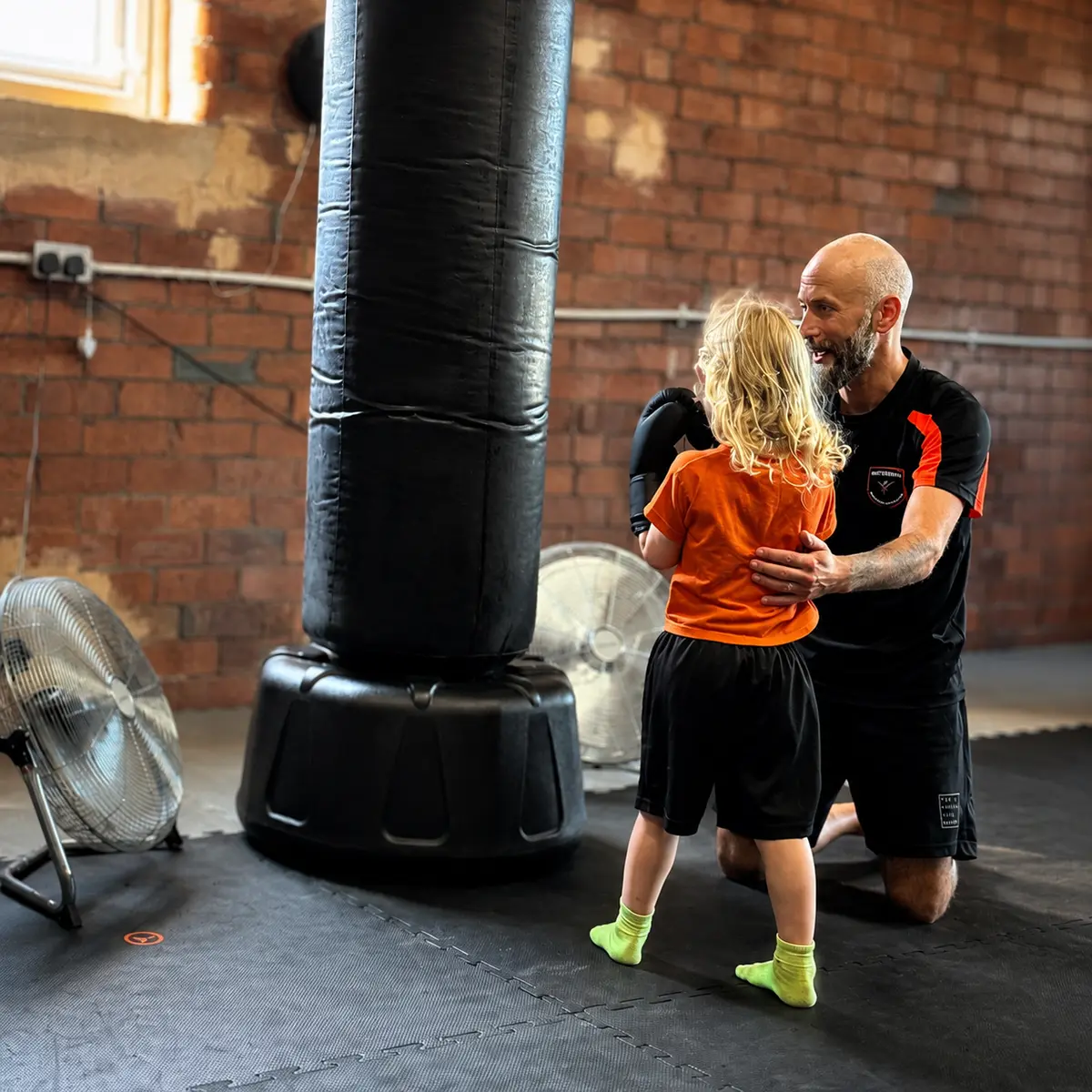
At TMAM, our First Steps classes for ages three to five are designed as an early-years pathway rather than a smaller version of an older child’s class.
Does martial arts cover all the activity a child needs?
No weekly class should be treated as the whole answer. For children and young people aged five to eighteen, the NHS recommends an average of at least 60 minutes of moderate or vigorous activity a day across the week, with a variety of activities. Its examples include walking, playground games, cycling, swimming and martial arts. You can read the NHS guidance for ages five to eighteen here.
Martial arts can be one useful part of an active week. Free play, PE, walking, cycling and other sports all contribute different experiences. Your child does not need every hour organised by an adult.
When might three or more classes be appropriate?
An older child who genuinely enjoys training may ask to attend more often. Extra sessions can make sense when the child is choosing them, the coaching remains appropriate and school, sleep, friendships and family life are not being pushed aside.
More is not always better. Watch how they respond rather than chasing a number. Are they still pleased to go? Can they concentrate? Do they have time to rest and do other things they enjoy? Sport England’s guidance puts children’s enjoyment, confidence, needs and safety at the centre of positive activity experiences. Its advice on positive experiences for children is a useful reference.
What if our week is already too busy?
Look at the whole family calendar before committing. Two sessions may be realistic for one family and exhausting for another. Travel time, homework, mealtimes, siblings’ activities and quiet time all count.
Choose class times you can usually reach without a weekly scramble. Missing an occasional session because of illness, a school event or family plans will not undo a child’s progress. The bigger problem is choosing a timetable that feels impossible from the start.
If the routine stops working, speak to the instructor. A different class time or a temporary adjustment is often more useful than silently disappearing.
How often do children train at TMAM?
Our main programmes are built around two coached classes per week. That gives children enough repetition to keep moving forward while leaving room for school and family life. It is the routine we recommend, not a judgement on families who need to start more gradually.
Classes are separated by age so the pace, explanations and level of challenge are appropriate. You can see our classes for ages six to nine, classes for ages ten to fourteen and First Steps pathway before deciding what fits.
Try the routine before deciding.
Your child can try two normal TMAM classes free. That gives you a better feel for the teaching, group and weekly routine, with no uniform to buy and no pressure to join.
Book your first free class